
Gaming, Toys, Fandom and Collectibles Are Thriving — Even as Hollywood Struggles
In the past decade, much of global entertainment has marched to the same rhythm: blockbuster releases, streaming wars and serialized TV as the apex of cultural attention. But the economic context of 2025, from inflation and cautious consumer spending to shifting generational preferences, is rewriting those rhythms in unexpected ways.
According to McKinsey’s latest consumer research, there is a noticeable decoupling between sentiment and spending: while consumer confidence remains muted, actual spending patterns have not collapsed in tandem. This divergence, where consumers feel uncertain but still allocate money toward certain categories, reshapes how brands should think about resilience and demand.
The video game industry is no longer a subset of entertainment — it has become a cornerstone of it. Global gaming revenues are approaching $200 billion in 2025, with forecasts suggesting continued expansion into 2026. Even in the wake of a post-pandemic plateau and industry layoffs estimated at around 45,000 jobs between 2022 and 2025, the underlying market remains robust.
Players are not just consuming games; they are weaving them into cultural identity and daily life. Online gaming revenues, projected at nearly $30 billion in the UK alone this year, reflect both participation and monetisation that outpaces many legacy media segments.
In Canada, the gaming sector has been a rare bright spot in creative economy growth, with firms more than doubling over the last decade and industry revenue tripling.
Gaming’s resilience rests on a few structural truths: it is digital first; it is participatory, not passive; and it taps into a community economy, where streamers, fan creators and social interaction extend engagement beyond the console or screen. Even as Hollywood box office and certain streaming metrics wobble under market saturation and consumer fatigue, gaming remains a destination, not a diversion.
While media spending patterns shift, the toys and games market — inclusive of traditional playthings, board games and collectibles — is expected to grow by nearly 9 % annually from 2025 to 2029, adding tens of billions in global value.
Most striking in the U.S. toy sector’s latest performance is the rise of Games and Puzzles, which reported a 39 % increase in sales year-on-year, driven not by children’s products alone but by the adult and fan markets that collect, trade and treasure licensed items.
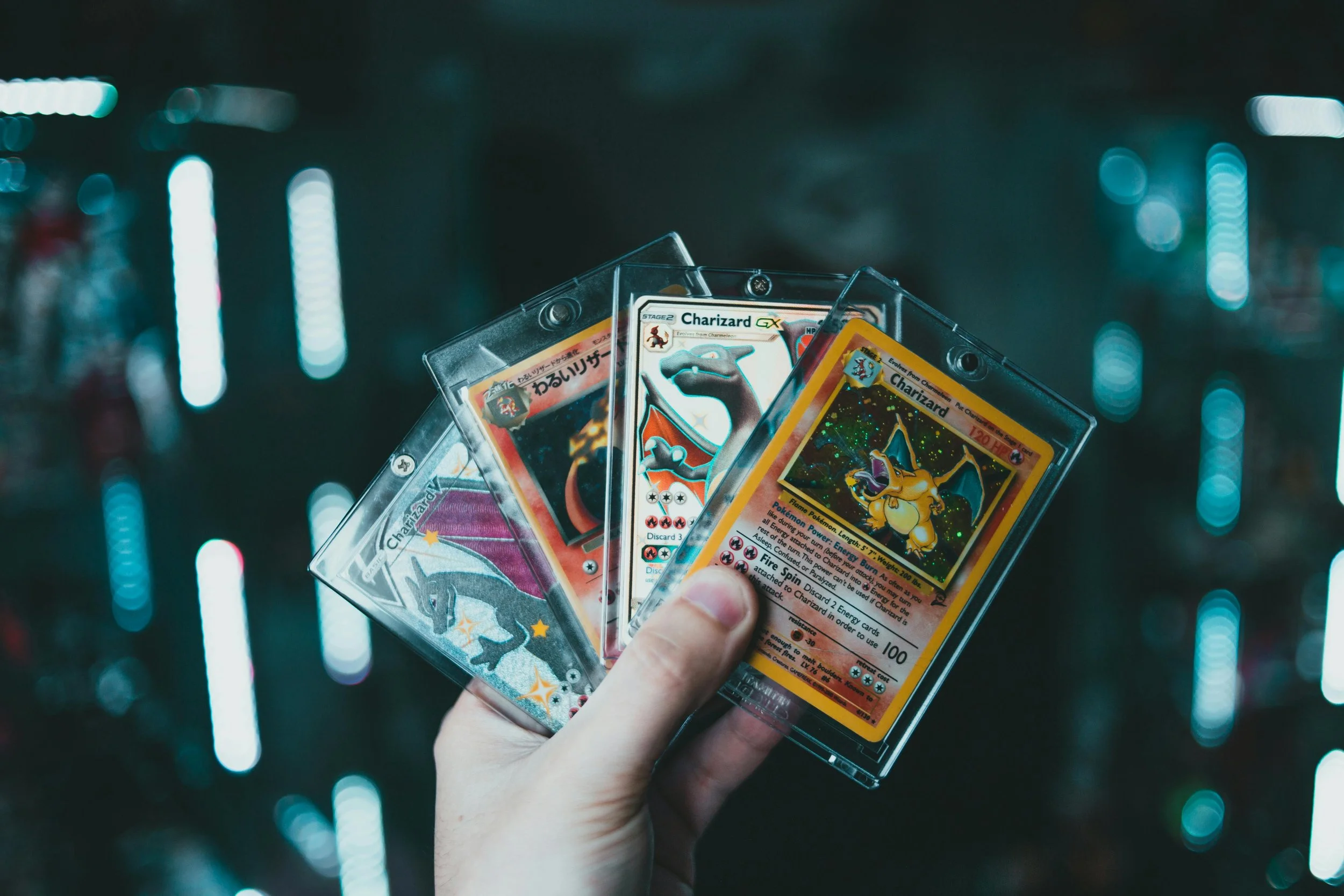
This is not marginal spending. It’s affinity spending — motivated not by necessity but by sentiment, identity and emotional connection. Whether it’s Pokémon cards, limited-edition figures or nostalgic brands reborn for new generations, this category thrives precisely because it offers meaning, not just consumption.
This stands in contrast with traditional film and television merchandise, which too often relies on large marketing budgets and blockbuster hit cycles that have become riskier in a fracturing media environment. Collectibles drive their own ecosystems, where scarcity, community and speculation generate ongoing demand beyond a single release window.
Across consumer behaviour trends in 2025, a pattern emerges: households are spending differently, not uniformly cutting back. Shoppers are more value-conscious when it comes to essentials, but they continue to allocate discretionary income to entertainment formats that feel participatory and personalized.
Entertainment spending overall remains resilient. In Canada, travel and entertainment have seen upticks even as other categories soften, demonstrating that guilt-free discretionary purchases still matter.
This aligns with global retail data showing that digital entertainment remains a bulwark for community-driven categories. Experiences, especially those that create social currency, like gaming achievements or collectible fandom, carry perceptions of value that extend beyond the transaction.
By contrast, the traditional pillars of entertainment face unique pressures. Streaming platforms continue to dominate cultural conversation, but growth is slowing; programming budgets, while still expanding, are stabilizing in a way that suggests diminishing marginal returns on investment.
Box office has been volatile, too, with frequent news cycles about diminishing theatrical attendance, franchise fatigue and the industry’s struggle to find the next tentpole that captures global imagination at scale.
The result is a bifurcation: gamified, interactive, communal experiences are thriving, while passive, broadcast first consumes face structural headwinds.
What unites gaming, toys, collectibles and even adjacent categories like anime (a sector projected to reach over $60 billion by 2032) is active engagement. Fandom is not just about watching. It’s about participating — trading cards, streaming gameplay, sharing clips, wearing merch, building communities.
This distinction is the core narrative shift of 2025. Consumers may tighten their belts, but they choose where to participate. Industries that embed participation into the product — and create communities around it — are the ones that thrive.
For communications professionals and PR strategists, the lesson is simple but profound. We are now living in a time where consumers can choose not only what they spend on but how they engage emotionally with brands and entertainment properties, the old model of broad messaging fails.
Brands in games, collectibles, or licensed merchandise have tapped into user-generated culture, not just top-down distribution. They leverage fan identity, social proof and iterative engagement — in some cases, billions of micro-interactions that matter more than a single blockbuster release.
Hollywood and streaming are rich with storytelling talent, but the market is telling a new story: one where participation, not passivity, buys resilience.