
The Economics of Fans and Why Brands That Ignore Them Fail
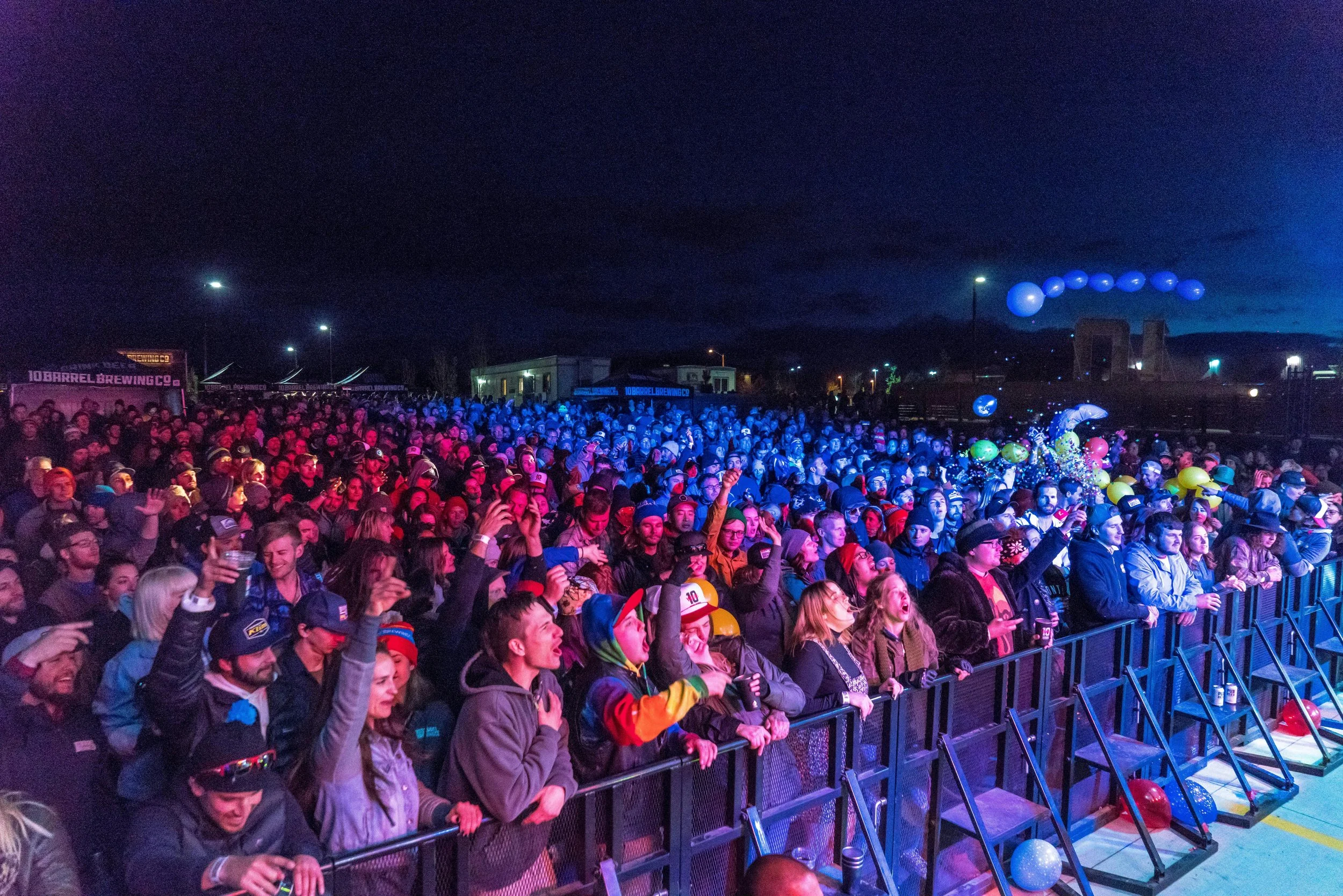
“Fans are not a byproduct of success — they are the mechanism through which success compounds.”
In 2024, industries most strongly anchored in fandom — animation, video games, music communities, franchise-based film and television, collectibles and consumer brands with lifestyle ecosystems — consistently outperformed their peers in three critical areas: discoverability, resilience during downturns and long-term brand equity. Research across entertainment and consumer sectors shows that properties with highly engaged fan bases generate significantly higher lifetime value per customer, lower volatility during market contractions and greater tolerance for experimentation and creative risk.
At a moment when creative industries, especially within animation and video games, are facing rising production costs, shrinking margins, risk-averse commissioning and fatigued audiences, fandom has quietly become the stabilizing force keeping many creative economies alive. Yet, despite its proven value, fandom is still treated as an afterthought in many public relations and brand strategies, something to be “activated” after launch rather than designed into the system from the beginning.
When you think about it, fans drive how brands are discovered, whether they survive periods of uncertainty and whether they leave a legacy beyond a single cycle. Behavioural psychology, attachment theory and basic economic principles all point to the same conclusion: brands that cultivate emotional participation outperform those that chase attention alone.
From a PR perspective, this demands a fundamental shift. Publicity can no longer operate as a one-way broadcast designed to induce FOMO through influencers or press exclusivity. Instead, it must become a mechanism for invitation, participation and continuity, creating spaces where fans feel included rather than excluded, trusted rather than marketed to.
Don’t fret. I am not suggesting that we abandon influencers or media. They continue to be part of our living puzzle piece. But we must reframe their role, not as gatekeepers of desire, but as translators who help invite audiences into a world that already exists for them.
At its core, fandom is not irrational devotion. Fandom has demonstrated over time that it is a psychologically coherent response to identity, belonging and meaning.
Attachment theory helps explain why people bond so deeply with artists, characters, brands and fictional worlds. Humans form attachments not only to people, but to symbols and narratives that offer consistency, emotional regulation and identity reinforcement. Fandom provides a safe container for these needs: a place where individuals can belong to something larger than themselves while still feeling seen.
Strong fandoms almost always organize around a shared emotional journey and a symbolic “other” — a collective challenge, enemy or tension that the community navigates together. Taylor Swift’s fandom, for example, is not merely about liking her music. It is structured around shared experiences of heartbreak, growth and reclaiming agency, with the ex-lover or dismissive industry forces positioned as the antagonist. We’ve witnessed how her fans are not passive listeners. They are participants in an evolving narrative of healing and self-authorship.
Similarly, the fandoms surrounding Justin Bieber or One Direction were deeply rooted in adolescent attachment psychology — romantic idealization, emotional safety and the fantasy of being chosen or understood. These fandoms functioned as emotional ecosystems where identity formation, peer belonging and aspiration intersected.
Brands operate in similar psychological territory. Lululemon’s early success was not built on product superiority alone, but on community formation. By hosting run clubs and in-store yoga classes, the brand invited consumers into “the sweat life,” positioning athleticism, wellness and discipline as markers of belonging. Purchasing became secondary to participation. Over time, this created deep attachment and loyalty, turning customers into advocates. In each case, fandom emerges when people are not merely sold to, but invited into a shared identity.
From an economic perspective, fandom is not a soft metric. It is a compounding asset. There will always be consumers. The strategic question is whether a brand identifies and nurtures its most invested ones. Fans lower customer acquisition costs by driving organic discovery through word-of-mouth, social sharing and cultural presence. They stabilize revenue by returning repeatedly and sustaining demand between releases. They extend brand lifespan by supporting evolution rather than abandoning ship at the first sign of change.
Technology brands illustrate this clearly. Apple’s success is not solely attributable to innovation or design. It is rooted in a fandom that frames Apple products as identity markers: symbols of creativity, taste and cultural literacy. Product launches function as rituals. Criticism is metabolized within the community rather than immediately turning into abandonment.
The same pattern appears in film and television. Franchises that survive reboots, spin-offs and uneven releases do so because fans remain emotionally invested even when individual installments disappoint. Legacy is preserved not through perfection, but through relationship continuity. For creative industries under pressure, this matters profoundly. Fandom provides margin for error. It allows brands and IP to weather missteps without collapse. It transforms isolated projects into ecosystems that can grow over time.
Despite this, contemporary PR strategies often work against fandom rather than with it. The current obsession with influencers, exclusivity and artificial scarcity has introduced unintended psychological consequences. Social psychology research consistently links excessive FOMO-based marketing to increased consumer insecurity, resentment and disengagement. Instead of aspiration, audiences feel alienated. Instead of desire, they feel excluded. Consider the optics of an influencer being gifted a luxury product or invited to a closed, inaccessible event. For many consumers, this does not inspire purchase — it reinforces distance. The brand becomes associated with elitism rather than belonging. This dynamic creates antagonism, not attachment. When brands rely solely on influencers to “carry” their message, they inadvertently signal that everyday supporters are less valuable. Over time, this erodes trust and weakens community bonds. The result is inflated reach metrics paired with shallow loyalty.
This ultimately means there is a strong importance in Integrating fandom strategy as a constant not just a campaign. Fandom cannot be switched on and off. It must be integrated into the brand at all times.
This means designing communications strategies that prioritize continuity over spikes, participation over spectacle and transparency over polish. It requires PR professionals to think less like publicists chasing coverage and more like cultural stewards nurturing long-term relationships.
In practice, this looks like:
building narrative worlds that fans can explore gradually
offering “easter eggs” and moments of recognition that reward attention
creating spaces for dialogue rather than one-way messaging
acknowledging fan labour as meaningful, not incidental
Fandom strategy is not reserved for brands with massive followings. It is most powerful when applied intentionally at every stage. When you have no fans, the work is about clarity and invitation, articulating what you stand for and who the world is for, without overreaching. Early adopters should feel like collaborators, not targets. When a community is growing, the focus shifts to stewardship, maintaining coherence, listening actively and allowing culture to emerge organically without excessive control. When fandom becomes overwhelming, restraint becomes the strategy. The role of PR is no longer to amplify, but to protect, setting boundaries that preserve trust without alienating the community. In every phase, the principle remains the same: the brand or IP is not owned solely by the company. It is co-owned emotionally by the people who invest in it – the fans.
Creative economies will not be saved by virality, volume or exclusivity. They will be sustained by fandom designed with intention, communities built on participation, emotional resonance and long-term trust. Public relations, when practiced responsibly, is uniquely positioned to architect this infrastructure. The future belongs to brands that understand this: that fans are not a tactic, but the reason anything lasts at all. And the role of PR is not to manufacture desire but to honour the people who keep showing up.
That is how legacies are built.